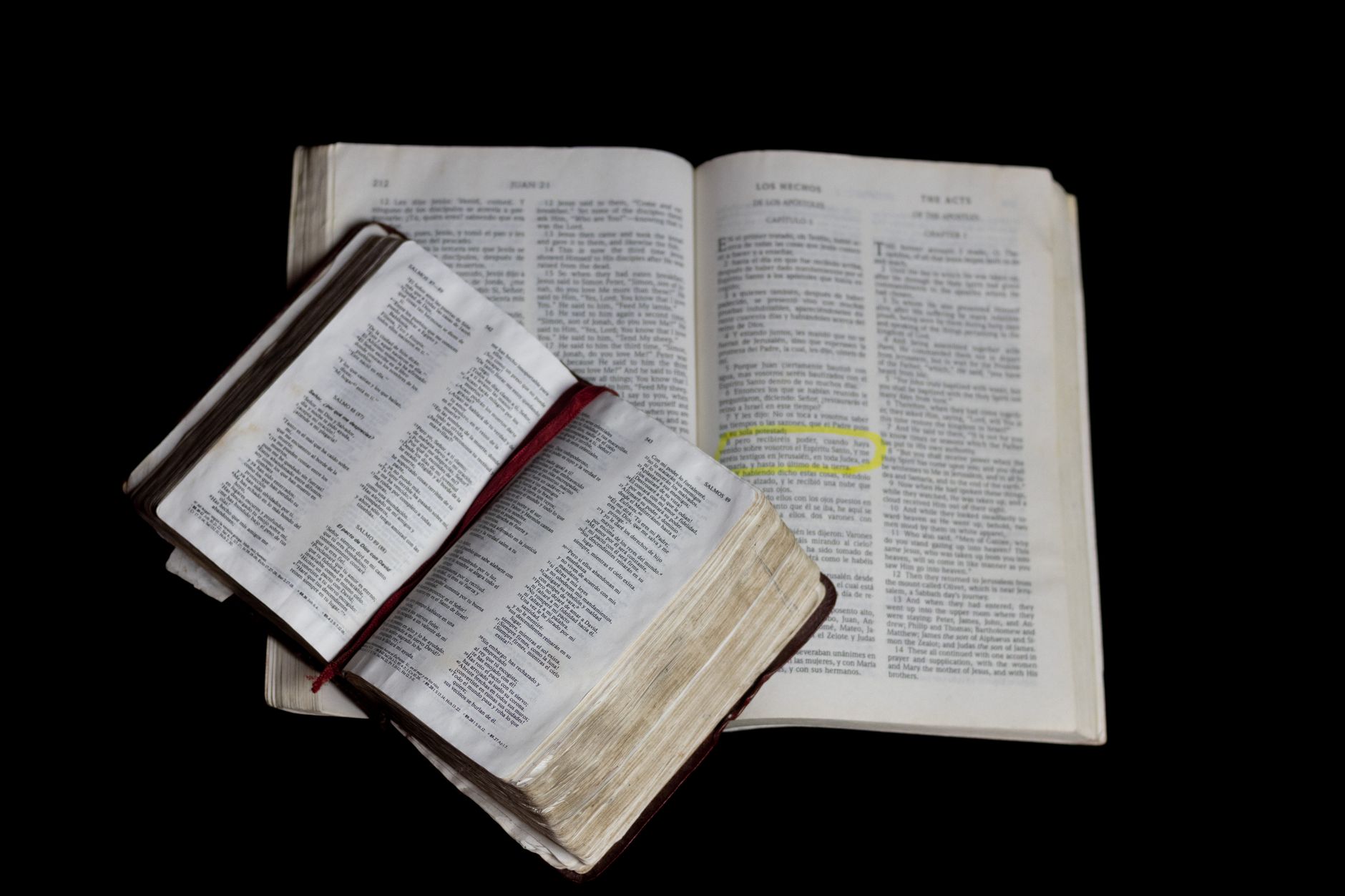
I didn't understand prayer journaling until I started doing it. I thought it was something women did in fancy notebooks with colored pens — not something a truck driver from the South would benefit from.
I was wrong. The prayer journal I've kept for the past three years has changed my prayer life more than any other single practice. Here's why.
What Happens When You Write Your Prayers
Most of us pray in streams of thought — partially formed, jumping from topic to topic, drifting toward distraction. That's not a criticism. That's just what unguided thought does. The mind wanders.
Writing prayer forces a different process. When you write, you can only write one thing at a time. You have to finish a thought before you move to the next one. You have to put specific words to vague feelings. That specificity is what makes the difference.
"Lord, please help with my family situation" becomes "Lord, help me have the conversation with my son that I've been avoiding. I don't know how to start it without it turning into a fight. Help me say what I actually mean, and help him hear it."
That second prayer is a real prayer. It's about something specific. God knows what you mean, and — more importantly — so do you.

Writing Prayer Creates a Record of God's Faithfulness
This is the part nobody tells you about when they recommend prayer journaling. It's not just about what you write today. It's about what you read six months from now.
I look back at my prayer journal sometimes — requests from a year ago, two years ago. I see things I was terrified about that resolved. Situations I thought had no answer that God handled in ways I never could have engineered. Relationships I had given up on that changed.
Reading those old entries is like watching God's faithfulness played back in slow motion. Each answered prayer is a data point. Over time the data is overwhelming. It's hard to be in doubt when your own journal shows you how many times God came through.
This is why I think the prayer journal app inside FaithSpark matters. It's not just a place to write. It's a place to build a record — of prayers, of answers, of growth — that you can return to when your faith is low and you need evidence.
How to Start When You Have No Idea What to Write
If you've never kept a prayer journal, the blank page is the hardest part. Here's the structure I use when I don't know where to start:
Date and one line of thanks. Start with something specific. Not "thank you God for everything" — that's too vague to feel real. "Thank you that the conversation I was dreading yesterday went better than I expected." One specific thing.
One honest request. What do you actually want God to do? Write it down as plainly as you'd say it to a friend. God isn't impressed by theological language. He wants honesty.
One fear. What are you scared of? What's the thing underneath your requests that you haven't quite named yet? Write it. The things that stay unwritten tend to grow. The things that get named tend to shrink.
A verse. If you read a daily verse through FaithSpark or a devotional, write it here. Something short. Anchor the entry in Scripture.
That's it. Four elements. Five minutes. Do it every day for a month and watch what happens.

Prayer Journal vs. Prayer List — Both, Not Either/Or
A prayer list tracks who you're praying for. A prayer journal is where you do the actual praying and reflecting. You need both.
The prayer list keeps you accountable to intercede for specific people. The journal is where your own heart gets processed — where you bring the complicated, incomplete, honest version of yourself to God and write it out.
In FaithSpark, both live in the same app. The prayer list is in the daily prayer app feature. The faith journal is where you write. They work together — your journal might include prayers for people on your list, and your list is what keeps those prayers regular and specific.
What Prayer Journaling Is Not
It's not performance. Nobody reads it. It doesn't need to be eloquent or theologically correct or impressive. The prayer journal is between you and God, and the only standard it needs to meet is honesty.
It's not a mood tracker or a to-do list. It's prayer — which means it's directed at God, not just written down. The difference is that writing prayer keeps you present in a way that thinking prayer sometimes doesn't.
It's not a replacement for speaking your prayers. I still pray out loud — in my truck, with my kids, in church. The journal supplements that. It's the part of prayer that happens on paper, that slows me down and makes me more specific and lets me keep the record.
For more on deepening your faith through daily practices, read the Psalm 139 devotional on the FaithSpark blog — Psalm 139 is one of the most prayer-worthy passages in all of Scripture.
Two questions that might be worth putting in your journal today:
- If you wrote out your actual prayers for the next week, what would they reveal about what you really believe about God?
- Is there something you've been feeling or fearing that you've never actually said to God yet — and what would happen if you wrote it down?
Download FaithSpark free on the App Store or Google Play — the faith journal is waiting.