I've used both. Here's the honest difference.
Christian sleep music — hymns, soft instrumental worship, gentle praise — is passive. You put it on and let it run. It works by providing a calm auditory environment that drowns out the mental noise that keeps you awake. It doesn't require you to do anything. That's both its strength and its limitation.
Christian sleep meditation — guided prayer, Scripture-based reflection, faith-rooted narrative — is active engagement followed by rest. You bring your attention to something specific, let the guided content carry your mind away from anxiety, and gradually settle into sleep as the narrative becomes the dominant thought. It takes more initial effort, but the results are usually more complete.
Both have a place. Here's when to use which.
When Christian Sleep Music Works Best
Christian sleep music is ideal when:
You're mildly restless but not anxious. If your mind is just winding down from a normal day, calm worship music creates the right environment for sleep without requiring much from you.
You're sharing space. A partner who doesn't want guided audio, or a bunkmate in a truck stop, makes music the more considerate option. Earbuds + soft instrumental hymns solves this completely.
You fall asleep quickly anyway. For people who don't struggle with sleep, music is a nice addition rather than a functional tool. It makes the settling-in experience more peaceful.
What works for music: Look for recordings specifically designed for sleep — instrumental arrangements of hymns, acoustic worship without lyrics, ambient Christian music. Avoid anything with a build or a chorus. The goal is music that stays in the background.
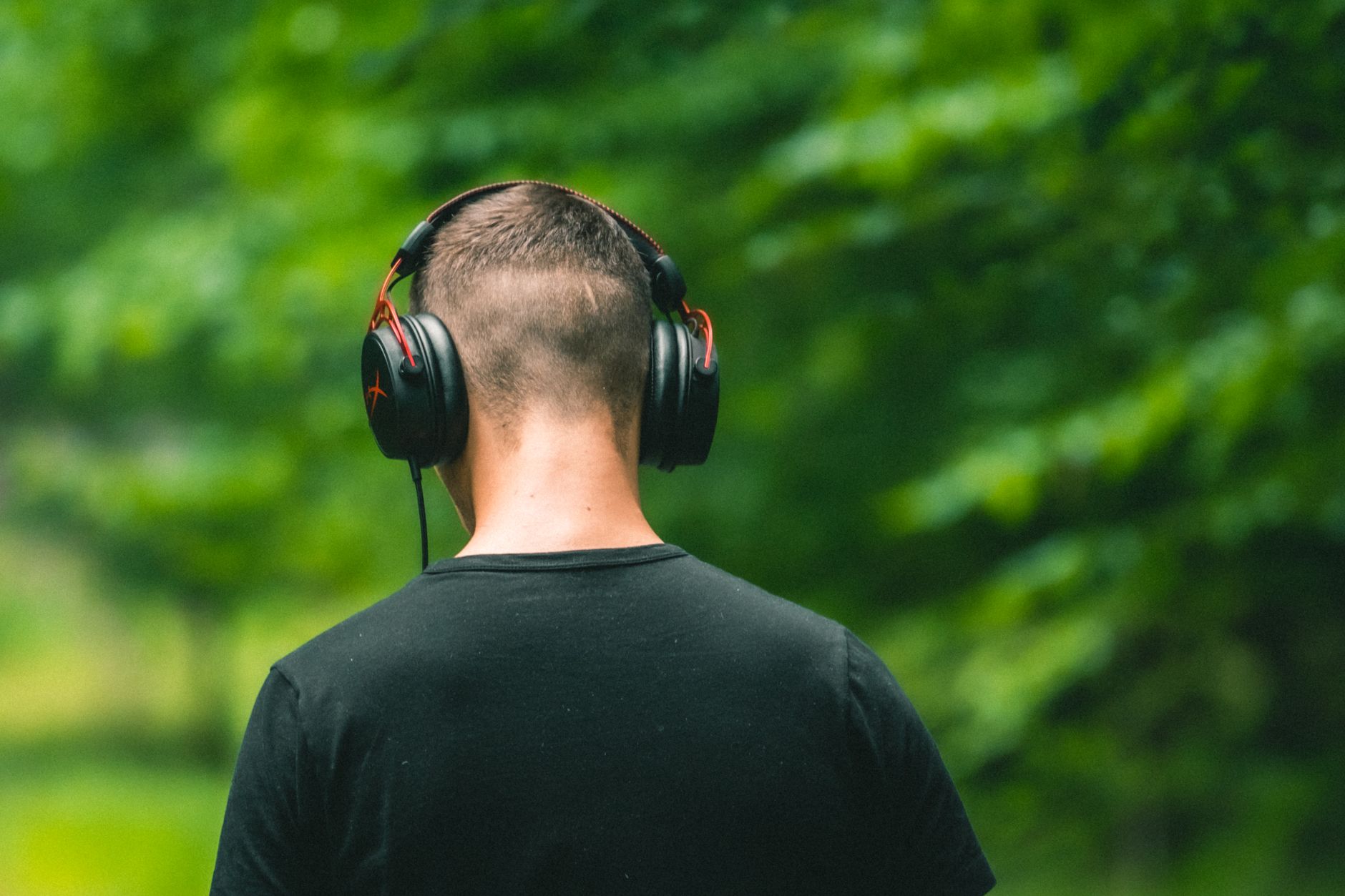
When Christian Sleep Meditation Works Better
Sleep meditation — particularly guided faith-based content like FaithSpark's sleep stories — is more effective when:
Your mind is running hard. If you're replaying the day, planning tomorrow, worrying, or processing something difficult, music alone won't cut it. Passive audio can still compete with active thought. A guided narrative that engages your imagination and then gradually calms it is more effective at actually breaking the thought loop.
You have anxiety-related sleep problems. Christian sleep meditation works differently from music — it actively redirects your attention rather than just covering mental noise. For chronic nighttime anxiety, that active redirection is what's needed.
You want to close the day with something intentional. If part of what you want from your sleep routine is to actually connect with God before you sleep — not just feel calm — guided prayer and Scripture-based content does that in a way music alone doesn't.
What works for meditation: FaithSpark's sleep stories start with a Scripture anchor and build a calm narrative around it. The voice is slow, unhurried, with long pauses. Most people who try it say they're asleep before the 15 minutes are up.
Combining Both: The Full Bedtime Faith Routine
Here's what I've found works best for most people — including me:
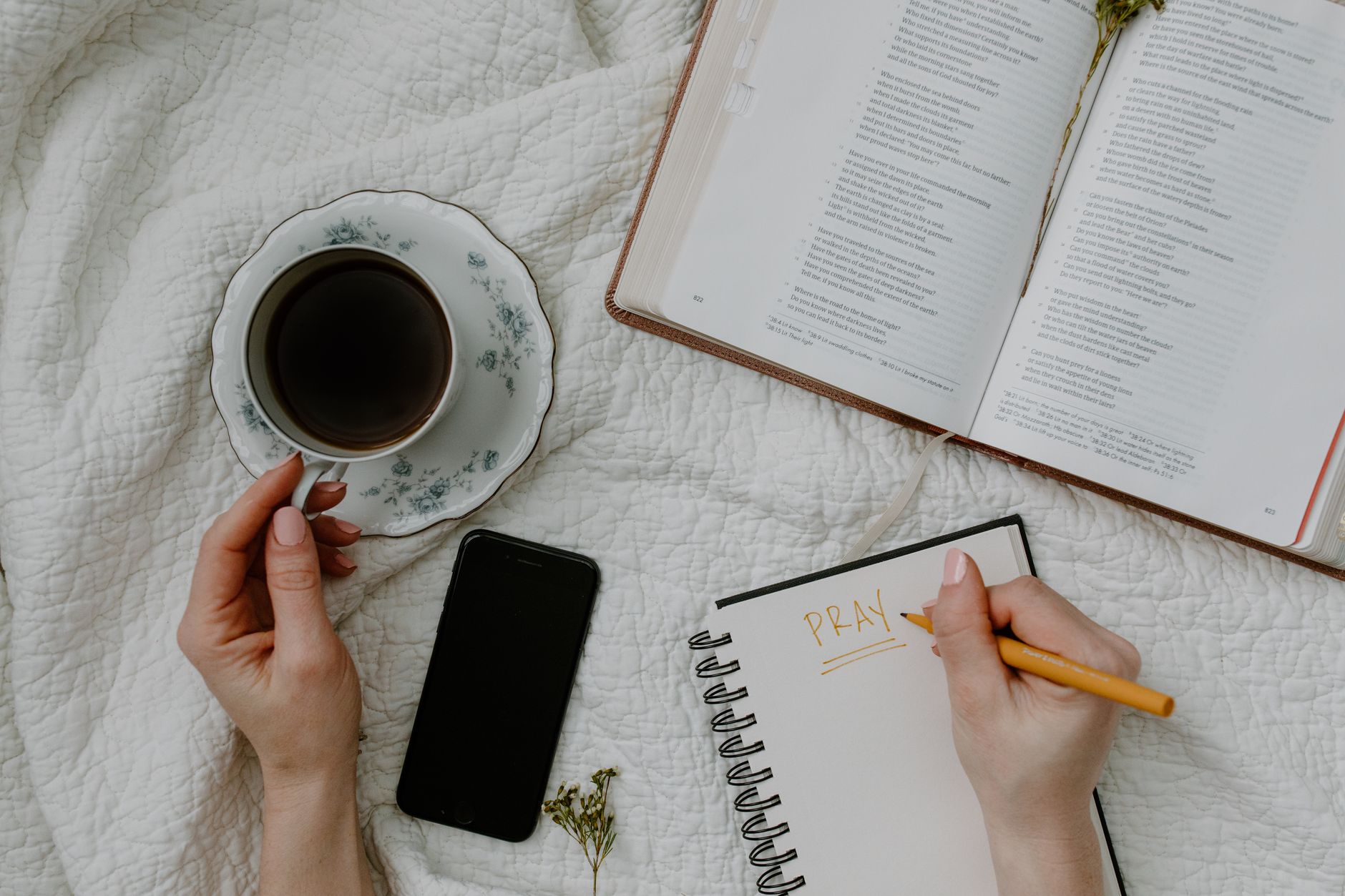
- Guided bedtime prayer (5 minutes) — releases the day, releases worry, ends with a verse of assurance
- Sleep story (10-15 minutes) — narrative anchored in Scripture, slow voice, ultra-dark screen
- Optional: soft instrumental hymns to fill any remaining wakefulness
The prayer gets the conversation with God out of the way before sleep — so you're not lying in bed wishing you'd prayed. The sleep story engages your imagination and calms the thought-loop. The music handles the gap for people who take longer to settle.
Not everyone needs all three. Start with the bedtime prayer. Add the sleep story if you need more. The music is optional.

The Biblical View of Rest
Sleep is not a concession in the Christian life — it's a gift from God. Psalm 127:2 says He "grants sleep to those he loves." The New Testament invitation in Matthew 11:28 — "Come to me, all who are weary and burdened, and I will give you rest" — isn't only about spiritual rest. Jesus is talking to tired people and offering them rest.
The Christian who sleeps well is not lazy. They're trusting the One who watches through the night while they rest. The Christian who lies awake with anxiety has not failed spiritually — but they may be trying to carry something God has already offered to carry for them.
Whatever helps you hand the night to God — music, meditation, prayer, a Psalm, a sleep story — is worth using.
For more on the spiritual side of sleep and rest, read the Christian sleep meditation pillar page and the John 14:27 devotional on peace on the FaithSpark blog.
Before you sleep tonight:
- Is there something you're carrying into bed that you could hand to God in a 2-sentence prayer first?
- Would you be willing to try one sleep story this week and see what happens?
Download FaithSpark free on the App Store or Google Play. The bedtime prayer and sleep stories are waiting.