I have personal experience with this question. Not in a theoretical way.
My twenties were marked by alcohol and drugs. I knew the Bible — I'd grown up in church. I knew what it said about sin. What I didn't understand for a long time was how the Bible's framework for what I was walking through was actually richer and more honest than just "stop sinning."
The Bible doesn't use the word addiction. But it speaks directly to the patterns, the compulsion, the helplessness, and the path out. When I finally understood what Scripture was actually saying about my situation — not what I'd assumed it was saying — it changed everything.
What the Bible Calls What We Call Addiction
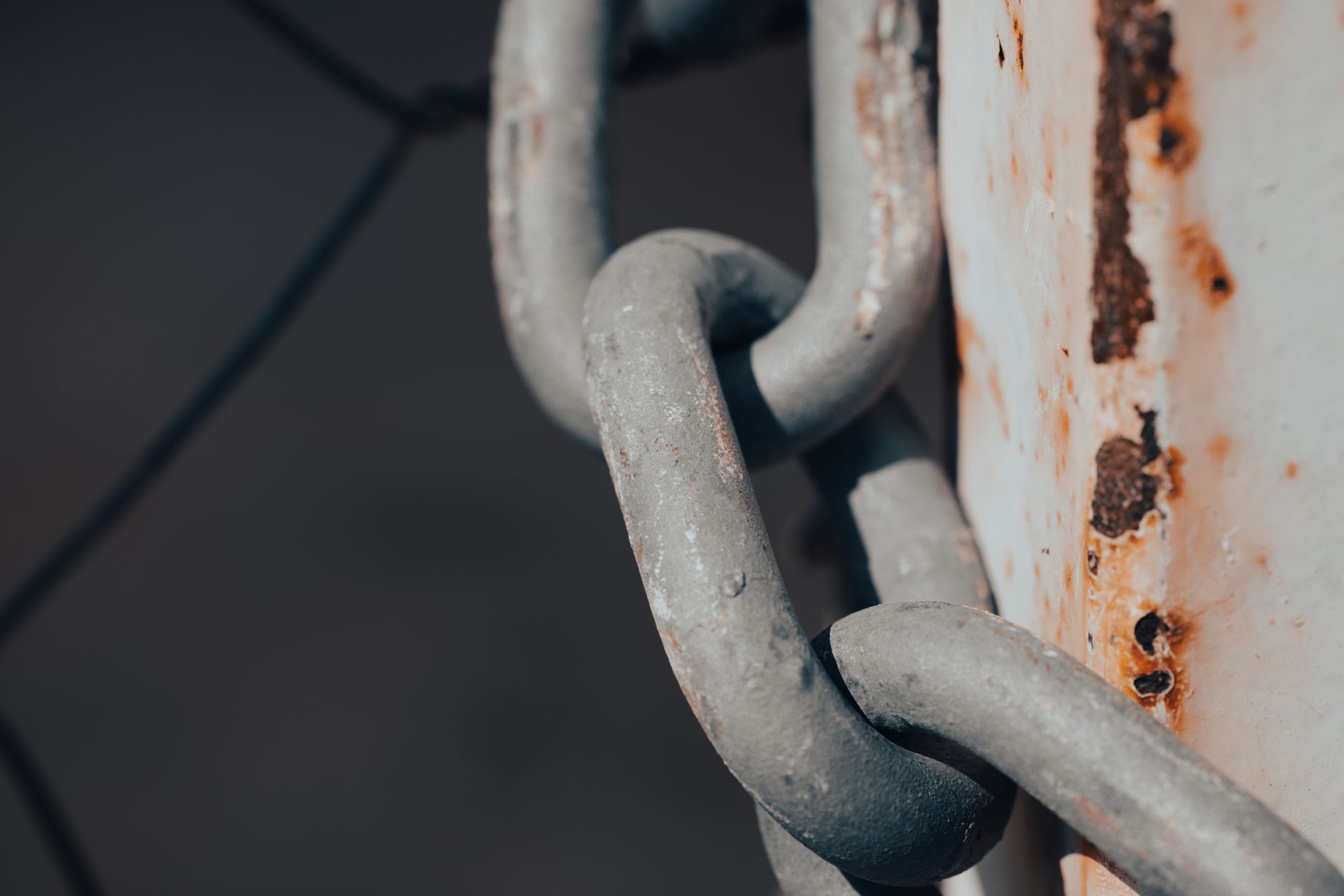
The biblical language for addiction is captivity. Slavery. Bondage. These aren't metaphors — they're descriptions of what's actually happening.
Romans 6:16 says: "Do you not know that when you offer yourselves to someone as obedient slaves, you are slaves of the one you obey — whether you are slaves to sin, which leads to death, or to obedience, which leads to righteousness?"
That's an honest description of addiction. You start making choices. Then those choices make you. The thing that was supposed to give relief becomes the thing you can't live without. You're no longer choosing — you're obeying something you hate. That's slavery.
Paul goes further in Romans 7: "I do not understand what I do. For what I want to do I do not do, but what I hate I do." He's describing the experience of being controlled by something against your own will. Anyone in active addiction recognizes that description immediately.
The Bible's Diagnosis: It's Not Just Behavior
Here's where the Bible gets more specific than most addiction conversations do: it's not just about the substance or the behavior. It's about what the substance or behavior is a substitute for.
Addiction is almost always a misfired attempt to meet a real need — relief from pain, escape from shame, numbing of trauma, a feeling of control, a sense of peace. The substance works, temporarily. And then it stops working, except that now you're dependent.
The biblical insight is that the underlying need — for peace, for relief, for escape, for belonging — is something God wants to actually meet. Not manage. Meet. The addiction is a signpost to a deeper hunger that only God can satisfy.
That's why 1 Peter 5:7 — "Cast all your anxiety on him because he cares for you" — is a recovery verse. Not because it makes cravings disappear, but because it addresses why the cravings are there. What were you trying to get from the substance? Take that to God instead.
What the Bible Promises About Freedom
This is where the biblical framework for addiction breaks from the secular one in an important way.
Secular recovery typically talks about management. You're an alcoholic forever. You're in recovery. The disease is always there, you just keep it at bay through meetings, sponsors, and daily practice.
The Bible promises something more: genuine transformation. New creation. Not suppression of the old but actual replacement.
2 Corinthians 5:17: "If anyone is in Christ, the new creation has come: The old has gone, the new is here."
John 8:36: "So if the Son sets you free, you will be free indeed."
I've seen both kinds of recovery. People who manage their addiction for decades through program and willpower. And people who experience something that can only be described as transformation — where the desire for the substance genuinely changes, where the hole that it was filling gets filled with something real.
I don't claim this happens automatically or always immediately. But I've seen it happen, and I believe the biblical promises are real.

How This Connects to Recovery Work
Scripture's framework doesn't replace professional help when it's needed. Medical detox, counseling, and treatment programs address the physical and behavioral dimensions of addiction that faith alone doesn't automatically resolve.
But faith addresses what programs often can't: the spiritual root, the shame, the identity question ("Am I someone who will always be controlled by this?"), and the daily need for strength beyond what willpower can provide.
FaithSpark's Christian recovery courses are built on this biblical framework — taking Scripture's framework for captivity and freedom and walking through it practically, for specific addictions, with the honesty that recovery actually requires.
James 5:16 adds the community element: "Confess your sins to each other and pray for each other so that you may be healed." Recovery is not meant to be private. The prayer community inside FaithSpark is one place to make it more public — a prayer request posted there will have real people praying for you before the day is out.
For more on this, read the Genesis 37 devotional on suffering and God's purpose, and the Romans 8:28 devotional on God's work in hard situations. Both are on the FaithSpark blog.
Two questions worth sitting with:
- What real need is underneath the thing you struggle with — and what would it look like to bring that need to God directly?
- What would "new creation" actually look like in your specific situation, and do you believe it's possible?
Download FaithSpark free on the App Store or Google Play and explore the recovery courses inside the app.